

Main Facts
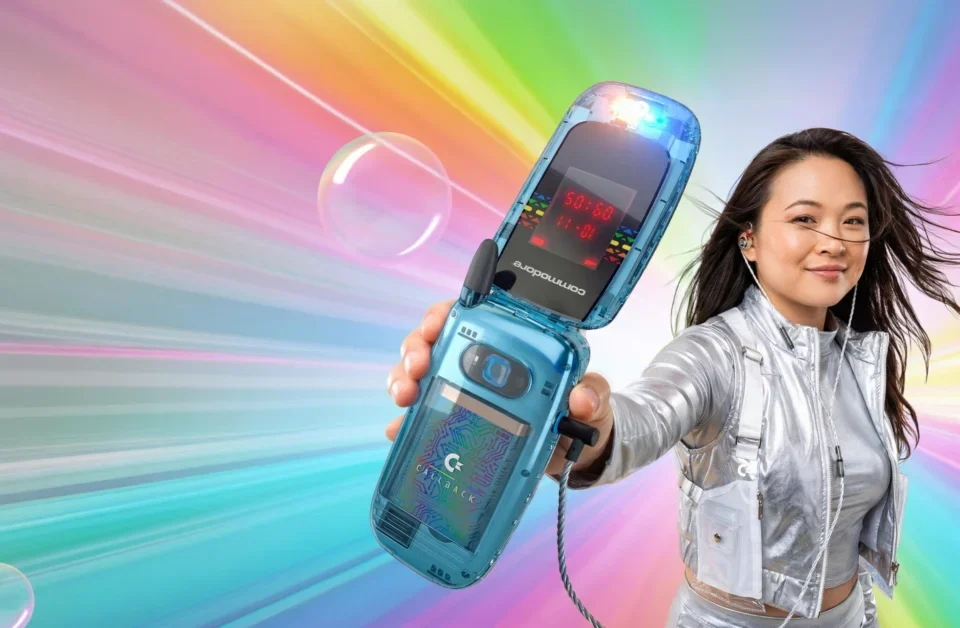
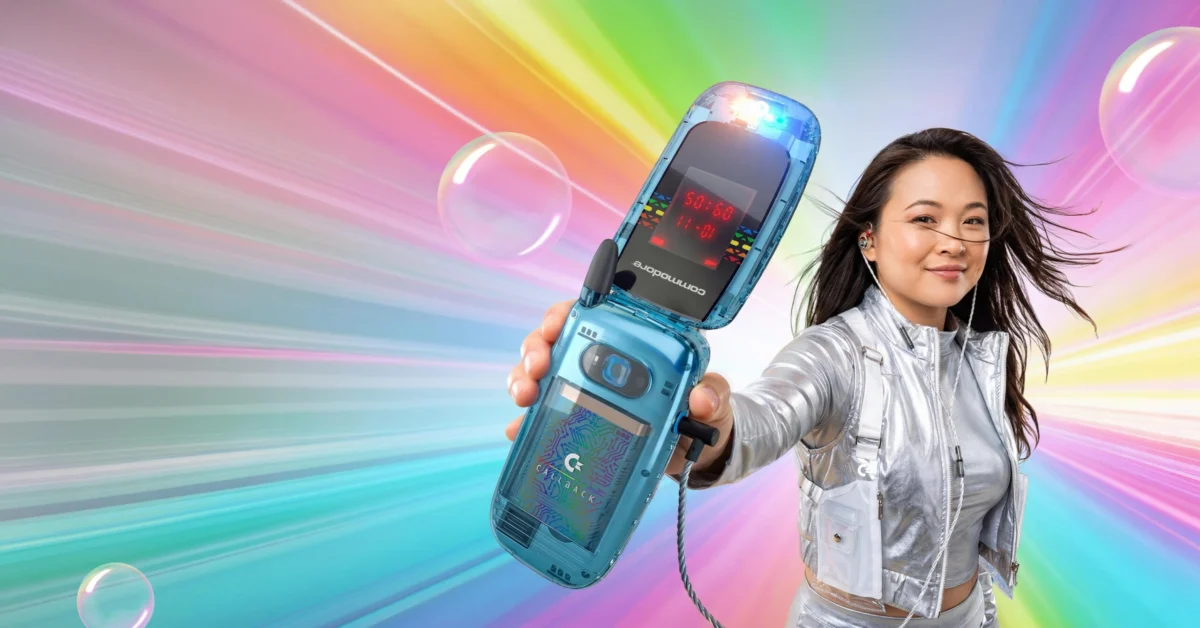
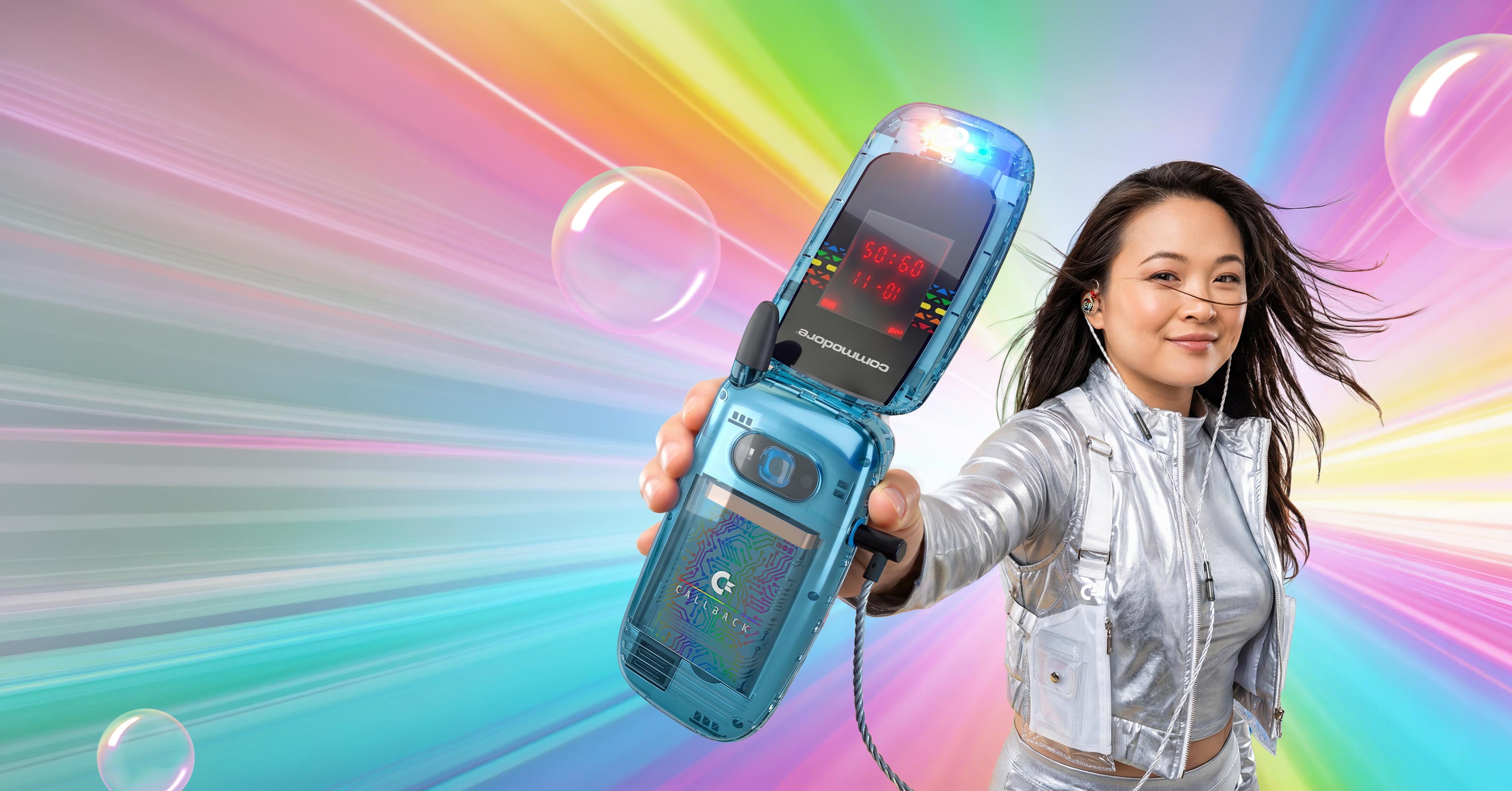
In a move that has simultaneously intrigued and perplexed the tech world, the revitalized Commodore corporation has unveiled its latest offering: the "Callback 8020" flip phone. Launched in 2026, this device is far from a typical smartphone, instead positioning itself as a premium "digital minimalist" tool steeped in nostalgia, running on the Linux-based Sailfish OS, and boasting an unexpected array of high-end components. Priced at $499 USD, the Callback 8020 aims to tap into a growing segment of consumers seeking a less intrusive digital experience, while simultaneously leveraging the profound emotional resonance of the Commodore brand.
The Callback 8020 differentiates itself with several key features: a robust 48-megapixel Sony camera module, a quality Cirrus Logic DAC for superior audio, user-replaceable batteries, and a software ecosystem explicitly designed to minimize distractions by excluding mainstream web browsing and social media apps from its official store. It comes pre-loaded with classic games like Snake and a selection of emulated C64 titles, with ringtones crafted from iconic SID samples, a nod to Commodore’s legendary sound chip. Paired with Commodore-branded headphones that double as an FM antenna – a charming throwback to late 90s and early 2000s mobile phones – the Callback 8020 is a carefully curated package of retro appeal and modern functionality.
However, the question looming over this ambitious release is whether there truly exists a viable market for a Linux-powered, Commodore-branded flip phone in an era dominated by sleek, powerful slab smartphones. The company is banking on "weaponized nostalgia" for the late 90s, much as its revived C-64 targeted the 8-bit era, but the high price point in a challenging economic climate raises concerns about its mass market appeal. The Callback 8020 represents not just a product launch, but a significant test of the enduring power of a beloved legacy brand attempting to innovate by looking backward, while simultaneously embracing modern, quality components.
Chronology
A Legacy Reimagined: The Commodore Story
The journey of the Commodore brand, from its meteoric rise to its dramatic fall and subsequent attempts at resurrection, is a testament to the volatile nature of the technology industry. The unveiling of the Callback 8020 is merely the latest chapter in this storied and often turbulent history.
The Golden Age of Commodore: Innovation and Impact
To understand the weight and expectation placed upon any new Commodore product, one must first recall its golden age. Founded in 1954 by Jack Tramiel, Commodore Business Machines initially dealt in typewriters and calculators before pivoting to personal computers. This strategic shift led to a string of iconic products that revolutionized home computing.
The Commodore PET (Personal Electronic Transactor), launched in 1977, was one of the first mass-market personal computers, laying crucial groundwork. This was quickly followed by the VIC-20 in 1980, the first computer to sell over a million units, making computing accessible to a broader audience with its color graphics and affordable price. But it was the Commodore 64 (C64), released in 1982, that cemented Commodore’s legendary status. Selling an estimated 17 million units, the C64 became the best-selling single computer model of all time, largely due to its advanced graphics and sound capabilities (thanks to the SID chip), vast game library, and relatively low cost. It introduced an entire generation to computing, programming, and gaming.
The pinnacle of Commodore’s innovation came with the Amiga line, beginning with the Amiga 1000 in 1985. Far ahead of its time, the Amiga boasted true multitasking, advanced graphical capabilities, and superior audio, making it a favorite among multimedia professionals, artists, and gamers. It offered a genuine alternative to the burgeoning IBM PC standard and Apple Macintosh, showcasing incredible potential.
However, despite its technological prowess, Commodore’s corporate leadership faced significant challenges. Internal strife, a lack of clear market strategy, and an inability to adapt to the rapidly evolving PC market, particularly the dominance of IBM compatibles and the rise of Windows, led to its eventual decline. By 1994, the original Commodore International filed for bankruptcy, leaving behind a heartbroken fanbase and a legacy of groundbreaking technology that many felt was never fully realized.
The Long Hiatus and Brand Resurgence: A Phoenix from the Ashes?
The decades following Commodore’s bankruptcy have been marked by a series of fragmented attempts to revive the brand. The intellectual property was bought and sold multiple times, leading to a confusing landscape of various entities claiming rights to parts of the Commodore or Amiga legacy. Many of these ventures were short-lived, underfunded, or failed to capture the essence of what made the original brand so special, often resulting in disappointing products or vaporware.
The current iteration of the Commodore corporation, which appears to hold the rights for the "Commodore" name and related branding for new hardware, has been more systematic in its approach. Their strategy seems to revolve around tapping into deep-seated nostalgia for past eras of computing, but with a modern twist. This was first evident with the launch of the "revived C-64" in 2025 – essentially a modern PC in a C64-esque chassis, running emulators, and aimed squarely at the 8-bit retro gaming market. While not a true revival of the original hardware, it demonstrated a clear understanding of the brand’s emotional pull and a willingness to cater to a niche audience.
The Callback 8020 flip phone, revealed in 2026, represents the next, and arguably more audacious, step in this strategy. It moves beyond desktop computing into the mobile space, taking a form factor that itself evokes a specific period of mobile phone history (the late 90s/early 2000s) and infusing it with modern, high-quality components and a unique software philosophy. This product signifies a broader ambition for the revived Commodore brand: to be more than just a nostalgia merchant for desktop computers, but a player in the broader consumer electronics market, albeit a highly specialized one. It’s an attempt to redefine what a "Commodore product" means in the 21st century, moving beyond direct emulation to a more abstract interpretation of the brand’s original spirit of alternative computing.
Supporting Data
Under the Hood: The Callback 8020’s Technical Prowess
The Callback 8020 is not merely a retro shell; it houses a thoughtful selection of modern components aimed at delivering a premium experience within its unique philosophical framework.
Hardware Specifications in Detail
Despite its minimalist ethos, the Callback 8020 doesn’t skimp on core hardware where it counts. The inclusion of a 48-megapixel Sony camera module is particularly notable. In a world where phone cameras often exceed 100MP, 48MP is still considered high-resolution, capable of producing excellent detail and clarity. This choice suggests that while the phone discourages social media sharing, it recognizes the importance of capturing high-quality personal memories. It positions the camera as a tool for personal archiving rather than instant gratification and public display, aligning with the digital minimalist philosophy. For a device that otherwise limits digital "noise," investing heavily in a superior camera indicates a focus on tangible, high-fidelity output.
The Cirrus Logic DAC (Digital-to-Analog Converter) is another significant inclusion. Cirrus Logic is renowned for producing high-performance audio components, often found in audiophile-grade equipment. This ensures that the Callback 8020 will deliver exceptional sound quality for music playback, calls, and its retro SID-sampled ringtones. In an age where many smartphones are sacrificing headphone jacks and dedicated audio hardware, the Callback 8020’s emphasis on a quality DAC, combined with its included Commodore-branded headphones (which serve double duty as an FM antenna), clearly targets users who value audio fidelity and a complete, self-contained media experience. This could appeal to music lovers who want to disconnect from streaming services and enjoy their own high-resolution audio libraries.
The feature of user-replaceable batteries stands out as a stark contrast to the sealed designs prevalent in most modern smartphones. This choice is a powerful statement about sustainability, longevity, and user control. It allows users to easily extend the life of their device, carry spare batteries for extended use, and reduces electronic waste by making repairs simpler. This aligns perfectly with a minimalist approach, encouraging users to own their devices for longer rather than constantly upgrading. It’s a direct challenge to the planned obsolescence model common in the tech industry.
The flip phone form factor itself is a deliberate choice, offering both a nostalgic aesthetic and practical benefits. It provides physical protection for the screen and keypad when closed, potentially increasing durability. The tactile experience of flipping open the phone to answer a call or typing on physical buttons can be deeply satisfying and less prone to accidental input than touchscreens. This haptic feedback is a key part of the retro appeal and helps differentiate the user experience.
While the specific processor and RAM aren’t detailed in the initial report, the $499 price point and the demands of Sailfish OS with Android app compatibility suggest a mid-to-high-range chipset, ensuring smooth performance for its intended functions. The schematic diagram image, if decipherable, would likely reveal further details about screen resolution, internal storage, and connectivity options, all of which would need to support its premium positioning.
Sailfish OS: A Differentiated Software Experience
At the heart of the Callback 8020’s software experience is Sailfish OS. This Linux-based mobile operating system, developed by Jolla (a company formed by ex-Nokia employees), offers a compelling alternative to Android and iOS. Its open-source roots, focus on privacy, and distinctive gesture-based user interface align well with the Callback 8020’s philosophy.
Sailfish OS is known for its strong emphasis on security and privacy, often appealing to users who are wary of the data collection practices of larger tech giants. Being Linux-based, it offers a level of transparency and control that proprietary systems often lack. Its performance is generally fluid, even on more modest hardware, thanks to its lightweight nature.
A critical feature for the Callback 8020 is Sailfish OS’s compatibility with Android applications through an emulation layer. This is crucial for usability, as it allows users to access essential apps (e.g., messaging, navigation, banking) without being fully locked into the Android ecosystem. However, the article specifies that "web browsing and social media explicitly excluded from the app store." This suggests that while the OS can run Android apps, Commodore has curated its own app store for the Callback 8020, deliberately omitting apps that contradict its "digital minimalist" goal. Users might still be able to side-load apps, but the out-of-the-box experience strongly discourages it. This careful curation is key to the phone’s identity.
The Niche Market: Digital Minimalism and Retro Tech
The Callback 8020 is squarely aimed at two converging niche markets: digital minimalists and retro tech enthusiasts.
Digital minimalism is a growing trend where individuals intentionally reduce their engagement with digital technologies to focus on activities that align with their values. This often involves cutting down on social media, excessive web browsing, and constant notifications. Products like the LightPhone III and Punkt MP02 cater to this audience by offering simplified phones designed for communication, not distraction. The Callback 8020 enters this space with a compelling offering: a premium device that actively discourages digital excess while still providing essential modern functionalities like a good camera and Android app compatibility (for necessary apps).
In this context, the $499 USD price tag, initially perceived as "tough to swallow," becomes more understandable when compared to other premium minimalist devices. The LightPhone III, for example, also carries a premium price for its focused functionality. The Callback 8020, with its higher-end camera, DAC, and broader app compatibility, arguably offers more value for the price within this specific niche. It’s not competing with a $100 feature phone; it’s competing with other specialized devices that prioritize intentional usage over feature overload.
The retro tech market is fueled by nostalgia, a desire for simpler times, and an appreciation for the design and craftsmanship of past eras. The Commodore brand, the flip phone form factor, the C64 games, and SID ringtones are all powerful triggers for this segment. This is where the concept of "weaponized nostalgia" comes into play. The reveal trailer itself is described as such, deliberately evoking memories of the late 90s and early 2000s – a time perceived by many as less digitally overwhelming. The Callback 8020 is designed to elicit an emotional connection, not just provide a utility. It offers a tangible piece of the past re-engineered for the present, appealing to those who fondly remember flip phones or the Commodore era and yearn for a device that feels both familiar and refreshingly different.
Official Responses
Navigating the Market: Commodore’s Strategy and Public Reaction
The launch of the Callback 8020 is more than just a product release; it’s a strategic move by the revived Commodore corporation, signaling their intent and vision for the brand.
Commodore’s Vision for the Callback 8020
While direct official statements from Commodore regarding the Callback 8020’s strategic intent are not fully detailed in the provided article, their actions and product design speak volumes. It’s evident that Commodore aims to carve out a distinct niche in a saturated smartphone market rather than compete head-on with tech giants. Their vision appears to be centered on:
- Leveraging Brand Equity through "Retrovation": The Callback 8020 exemplifies "retrovation" – combining retro design and emotional resonance with modern, high-quality technology. They understand the immense goodwill associated with the Commodore name and are using it as a powerful marketing tool. The official reveal trailer, described as "weaponized nostalgia," is a clear manifestation of this strategy, designed to evoke powerful emotional connections to a bygone era.
- Targeting the Discerning Digital Minimalist: By intentionally limiting web browsing and social media, Commodore is positioning the Callback 8020 as an antidote to digital overload. This is a conscious decision to serve a growing segment of consumers who prioritize focus, privacy, and intentional living over constant connectivity. They are offering an alternative to the mainstream, rather than an incremental upgrade.
- Emphasizing Quality and Durability: The inclusion of a 48MP Sony camera, Cirrus Logic DAC, and user-replaceable batteries underscores a commitment to quality components and a longer device lifespan. This contrasts with the often-disposable nature of modern consumer electronics, appealing to users who value sustainability and craftsmanship.
- Maintaining a Playful, Brand-Consistent Identity: The inclusion of Snake, emulated C64 games, and SID-sampled ringtones are not just gimmicks; they are essential elements that reinforce the Commodore identity. They remind users of the brand’s pioneering role in personal computing and gaming, adding a layer of fun and authenticity to the device. The Commodore-branded headphones also contribute to this cohesive brand experience.
The company seems to be making a calculated risk, acknowledging the difficulty of launching a $499 flip phone in 2026. The comment about "hoping they aren’t betting the farm on this one being a mass hit" suggests an awareness of the niche nature of the product, implying a focus on profitability within that niche rather than chasing market share.
Initial Public and Media Reception
Initial reactions to the Callback 8020 are, predictably, a mix of excitement, skepticism, and intrigue.
- Excitement from Nostalgic Fans: For those who grew up with Commodore computers or remember the golden age of flip phones, the Callback 8020 offers a potent dose of nostalgia. The promise of C64 games, SID ringtones, and the tactile experience of a flip phone will undoubtedly generate significant buzz within retro tech communities.
- Skepticism from Tech Critics and Mainstream Consumers: The primary point of contention is likely the $499 USD price point. In a market where many consumers can acquire a capable smartphone for a similar or even lower price, a flip phone, even with premium components, might be a tough sell. The economic climate mentioned in the article further exacerbates this perception. Critics will question whether the niche appeal justifies the cost, especially for those unfamiliar with the "digital minimalist" market.
- Interest from Privacy Advocates and Minimalists: The Linux-based Sailfish OS and the explicit exclusion of distracting apps will attract users deeply concerned about privacy and digital well-being. This group, often willing to pay a premium for devices that align with their values, might see the Callback 8020 as a viable, well-equipped option.
- The "Not a New Amiga" Sentiment: A persistent undercurrent of anticipation among the most hardcore Commodore fans has always been the hope for a true Amiga successor. The article explicitly addresses this, noting, "No, it’s not a new Amiga, as so many of us were hoping for." This sentiment highlights the immense pressure and expectations any new Commodore product faces, and the difficulty in satisfying a fanbase with such deep and specific desires. The Callback 8020, while innovative in its own right, will inevitably be measured against this ultimate, perhaps unattainable, dream.
The market response will largely depend on how effectively Commodore communicates the unique value proposition of the Callback 8020. It’s not just a phone; it’s a statement, a lifestyle choice, and a piece of curated retro-futuristic technology.
Implications
The Future of Retro-Tech and the Commodore Brand
The launch of the Commodore Callback 8020 is more than just another product release; it’s a significant experiment with potential long-term implications for both the retro-tech market and the future trajectory of the venerable Commodore brand.
Redefining "Innovation" in a Saturated Market
In an era where true innovation in mainstream smartphones often feels incremental, the Callback 8020 presents a fascinating case study in "retrovation." It challenges the conventional notion of progress by looking to the past for inspiration, not just aesthetically but also functionally. By combining a classic form factor with modern, high-quality internal components and a distinct software philosophy, Commodore is attempting to carve out a new definition of innovation.
This approach suggests that innovation doesn’t always mean faster processors, bigger screens, or more cameras. Sometimes, it means rethinking the user experience, prioritizing specific values (like privacy, longevity, or focus), and leveraging emotional connections. The Callback 8020 could inspire other tech companies to explore similar niches, re-evaluate features like user-replaceable batteries, or experiment with alternative operating systems in premium devices. It might encourage a broader industry shift towards more thoughtful, sustainable, and user-centric design, moving away from the relentless pursuit of raw power and feature bloat. If successful, it could prove that there’s a significant market for "less but better" technology.
Long-Term Viability of the Callback 8020
The long-term success of the Callback 8020 hinges on several critical factors:
- Sustained Marketing and Community Support: Commodore will need to effectively communicate the phone’s unique value proposition beyond the initial launch hype. Building a strong community around Sailfish OS and the Callback 8020, fostering developer engagement for specific niche apps, and leveraging the enduring Commodore fanbase will be crucial.
- Sailfish OS Development and App Ecosystem: While Android app compatibility is a significant advantage, the health and continued development of Sailfish OS itself will be vital. Regular updates, security patches, and the ability to run essential (non-distracting) Android apps reliably will determine its practical utility.
- Price Adjustments and Market Expansion: While the $499 price is justifiable within the premium minimalist segment, future iterations or strategic promotions might be necessary to reach a slightly broader audience if initial sales are slow.
- Beyond Novelty: The biggest challenge will be ensuring that the Callback 8020 is not just a passing novelty. It needs to prove its everyday utility and become a cherished tool for its users, rather than an expensive curiosity. Its ability to truly enhance digital well-being and provide a reliable, enjoyable user experience will be the ultimate test.
Only time will tell if enough "digital minimalists" and retro fans are willing to invest in this particular blend of old and new. The market for such a specialized device is undoubtedly smaller than the mainstream smartphone market, making every sale critical.
The Enduring Legacy of Commodore
The Callback 8020’s fate will significantly influence the future direction of the revived Commodore brand.
If the phone finds its niche and achieves sustainable sales, it could solidify Commodore’s position as a serious player in the premium retro-tech and minimalist electronics space. It would validate their "retrovation" strategy and potentially pave the way for other innovative products that blend legacy branding with modern, thoughtful design. This could mean more specialized devices that evoke different eras of computing or even new ventures into smart home or wearable tech with a distinct Commodore philosophy.
Conversely, if the Callback 8020 struggles to find its audience, it could represent a costly misstep, forcing the company to re-evaluate its strategy. It might reinforce the idea that nostalgia alone isn’t enough, or that the specific blend of features and price point simply doesn’t resonate widely enough.
Ultimately, the Commodore Callback 8020 is a testament to the enduring power of a brand that once defined an era. It’s a bold experiment in balancing the past and the present, a digital minimalist device wrapped in a nostalgic shell, powered by an alternative OS. Whether it becomes a beloved cult classic or a cautionary tale, its launch marks a fascinating moment in the ongoing narrative of technology, challenging us to consider what we truly value in our connected lives. It is a genuine attempt to innovate, or perhaps "retrovate," and for that, it commands respect, even as its market success remains an open question.
